
 Tiếng Việt
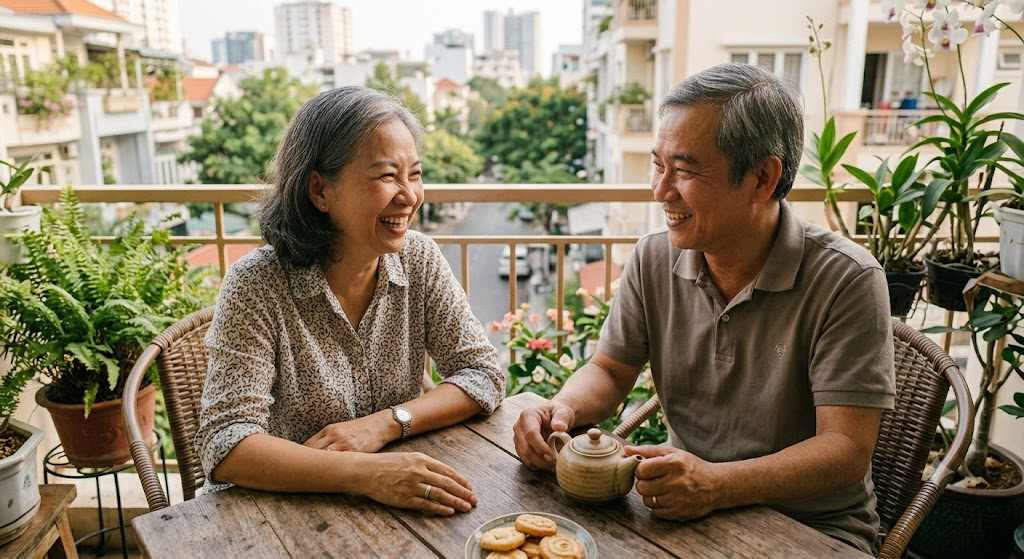
According to the World Health Organization (WHO), roughly 80% of the population in many developing countries still relies on traditional remedies and herbal medicine as part of everyday healthcare. For people living with diabetes — who already have to watch their diet closely — herbal teas marketed as blood-sugar-friendly have become an increasingly popular add-on. But among the dozens of herbal teas claiming to be “good for diabetes,” how do you tell the ones backed by real science from the ones riding on word of mouth?
Why People With Diabetes Look to Herbal Tea
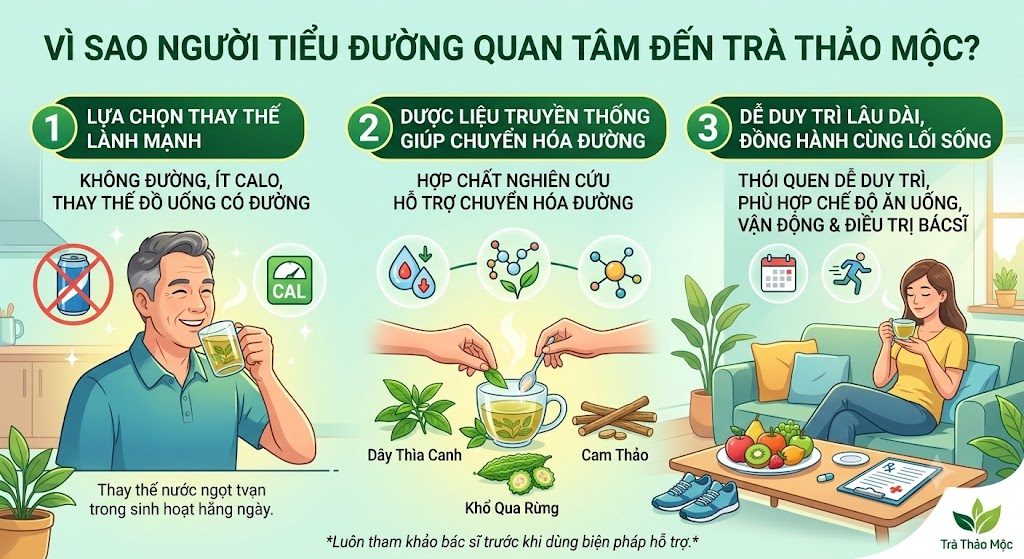
For someone managing diabetes, blood sugar control isn’t just about medication — diet and lifestyle habits matter too. Herbal teas draw interest for a few reasons:
- They’re sugar-free and low-calorie, making them an easy swap for soda or other sweetened drinks in daily life.
- Some traditional herbs contain compounds that early research suggests may support the body’s sugar metabolism.
- A tea habit is often easier to sustain long-term than many other interventions, and can complement — not replace — a doctor-supervised diet, exercise, and treatment plan.
That said, not every herbal tea marketed as “good for diabetes” carries the same weight of scientific evidence.
Three Ways to Evaluate Whether a Herbal Tea Is Trustworthy
1. Is There Actual Research, Not Just Word of Mouth?
Plenty of herbs get branded “miracle cures for diabetes” purely on folk reputation, without ever being formally studied. A more trustworthy herbal tea usually has at least one of the following forms of evidence behind it: in vitro (lab-based) studies identifying the active compound and its mechanism, animal-model studies, or — the strongest tier of evidence — human clinical studies, especially systematic reviews that pool results across multiple independent trials.
2. Is the Mechanism Clearly Explained?
A credible herb doesn’t just claim to be “good for blood sugar” in vague terms — it can point to a specific mechanism: which active compound is responsible, which part of the body it acts on (the pancreas, the gut, the liver), and through what biological pathway. This is also what separates serious science-based content from exaggerated marketing claims.
3. Are Dosage Guidance and Precautions Clearly Stated?
Any herb with a real effect on blood sugar should come with clear guidance on dosage, how to use it, and who should be cautious (pregnant women, people with low blood pressure, people on medication, etc.). If a product only advertises benefits without a single caution or warning, that’s worth a second look before you buy.
Two Vietnamese Herbs Worth Knowing for Blood Sugar Support
Among Vietnam’s traditional herbs, two names are increasingly showing up in blood-sugar-related research: golden camellia tea and Gymnema sylvestre (known in Vietnamese as “dây thìa canh”).
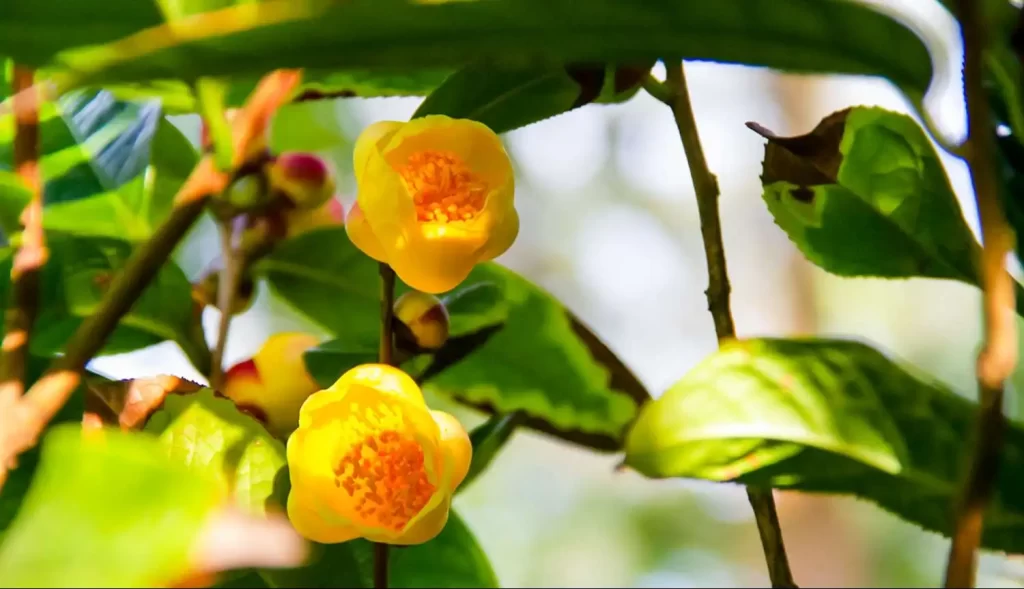
Golden camellia tea (genus Camellia, including the Camellia flava variety grown in Gia Lai) has long held a respected place in East Asian traditional medicine. More recently, Vietnamese researchers — including Assoc. Prof. Dr. Nguyen Huu Lac Thuy — have begun formally studying this tea’s blood-sugar-lowering effects in experimental models. (Read more in: “Is Gia Lai Golden Camellia Tea Good for People With Diabetes? Research From Assoc. Prof. Dr. Nguyen Huu Lac Thuy“)
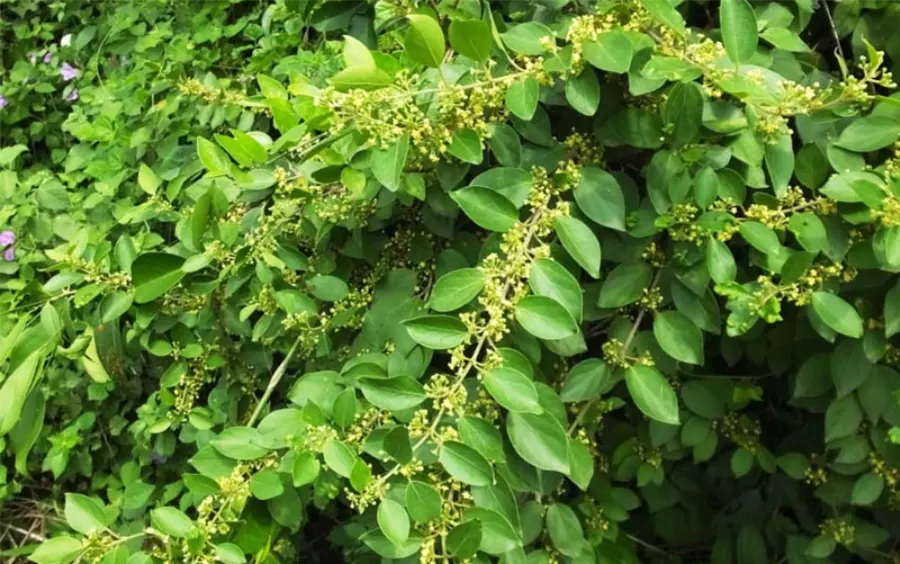
Gymnema sylvestre has been used in Ayurvedic medicine (India) for more than 2,000 years, and its Hindi name literally translates to “sugar destroyer” (referring to how chewing the fresh leaf temporarily blunts the tongue’s ability to taste sweetness). It’s also one of the few herbs in this space with multiple systematic reviews and human clinical trials behind it. (Read more in: “Gymnema Sylvestre: The Blood-Sugar-Lowering Mechanism Backed by Science“)
Herbal Tea Is Not a Substitute for Medical Treatment
No matter how solid the underlying science, herbal teas — including golden camellia tea and Gymnema sylvestre — fall into the category of supportive food products, not medical treatment. For people with diabetes, the priority remains following your doctor’s treatment plan and monitoring blood sugar regularly. When chosen carefully and used correctly, herbal tea should play a supporting role at most.
Frequently Asked Questions
Can drinking herbal tea let me stop taking my diabetes medication? No. No herbal tea is recommended as a substitute for diabetes medication. Stopping medication on your own can be dangerous — any change to your treatment plan should be directed by your doctor.
How can I tell if a herbal tea is backed by real research versus just marketing? Try searching the herb’s main active compound along with terms like “study,” “systematic review,” or “clinical trial.” Herbs with serious research behind them usually have papers published in scientific journals with named authors and institutions — unlike marketing copy that vaguely says “backed by scientific research” without citing an actual source.
Important note: This article shares general knowledge drawn from scientific research and traditional medicine, and is not medical advice. Any herbal teas mentioned are regular food products, not drugs, and are not a substitute for diabetes treatment. Anyone managing diabetes should follow their doctor’s treatment plan and consult a healthcare professional before adding any herbal tea to their routine.
Continue reading: Is Gia Lai Golden Camellia Tea Good for People With Diabetes? Research From Assoc. Prof. Dr. Nguyen Huu Lac Thuy | Gymnema Sylvestre: The Blood-Sugar-Lowering Mechanism Backed by Science | Why Golden Camellia Tea and Gymnema Sylvestre Work Well Together
KINKA – Experience Every Drop of Happiness (A brand of Truong Duong Group)
- Website: truongduonggroup.com/en
- Vietnamese storefront: kinka.vn
- Hotline: +84 911 169 318
- TikTok Shop: @kinka.vn
- Shopee – KINKA Tea Shop: shopee.vn/tiemtrakinka


