
 Tiếng Việt
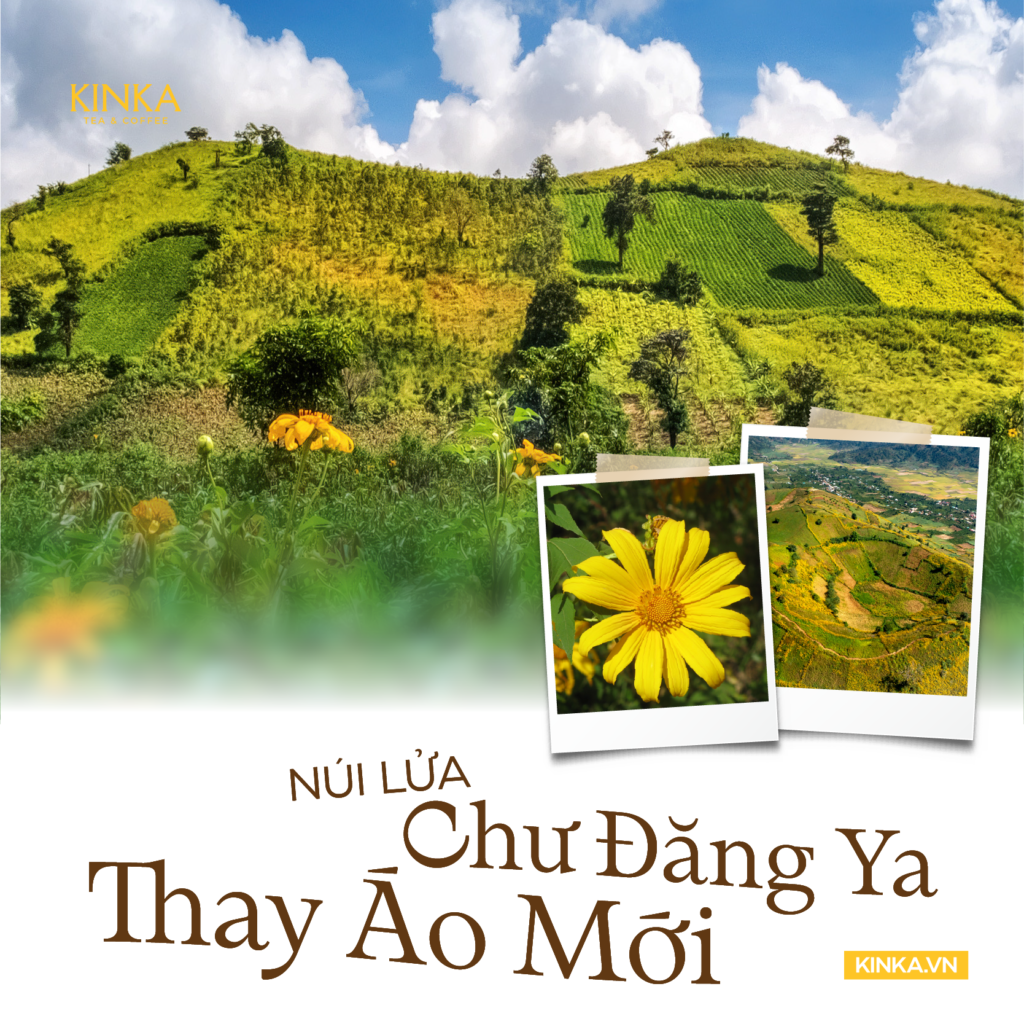
The golden camellia growing region in Gia Lai — developed by Truong Duong Group and Tam Phuc Minh, the foundation for products later sold under the KINKA brand — isn’t a standalone project. It sits within a larger context: rising domestic demand for medicinal herbs, and Gia Lai province — particularly the area around the Chu Dang Ya volcano — being identified as a region with strong potential for high-quality medicinal herb development. This article walks through that context before introducing the “Medicinal Herbs Under Forest Canopy” project that Truong Duong Group and Tam Phuc Minh are running here.
The “Return to Nature” Trend and Rising Demand for Medicinal Herbs
Not just in Vietnam but globally, a “return to nature” trend is driving rising demand for medicine and products derived from medicinal herbs — partly because they’re seen as having fewer side effects and being better aligned with the body’s natural physiological processes. According to the World Health Organization (WHO), roughly 80% of the world’s population still relies on natural-origin medicine for community healthcare. From the Alma-Ata Declaration (1978) to the “Guidelines for the Assessment of Traditional Medicine” (1991), WHO has repeatedly recommended incorporating traditional medicine as part of primary healthcare.
The State of Vietnam’s Medicinal Herb Industry
Medicinal herbs, as a category, can carry significantly higher economic value than ordinary food crops. According to Dr. Tran Van On (former Head of the Botany Department at Hanoi University of Pharmacy), Vietnam consumes an estimated 50,000-60,000 tons of medicinal herbs annually, used in traditional medicine processing, pharmaceutical industry raw materials, and exports. Developing medicinal plants is also seen as a path to help reduce poverty and boost the local economy in many rural and mountainous areas.
However, domestically produced medicinal herbs currently meet only about 20-25% of demand, with the rest dependent on imports (and some unofficial imports) — largely because domestic medicinal-herb production remains small-scale and unstructured, lacking good seed stock and appropriate cultivation/post-harvest processing technology for each herb type. This makes quality control difficult and affects the credibility of Vietnamese traditional medicine.
The Legal Basis for Developing Medicinal Herb Regions
Medicinal herb industry development has drawn attention from the Party, the State, and local governments through several specific policies:
- Decision 1976/QD-TTg (October 30, 2013) from the Prime Minister — approving the overall master plan for medicinal herb development through 2020, with direction to 2030.
- Decree 65/2017/ND-CP (May 19, 2017) from the Government — on special policies for seed stock, capital, and technology in medicinal herb cultivation, farming, and harvesting.
- Resolution No. 09-NQ/TU (July 3, 2019) from the Gia Lai Provincial Party Committee (15th Congress) — on conserving and developing medicinal plants in Gia Lai province through 2025, with direction to 2030.
This is the legal foundation that allowed Gia Lai province to approve a medicinal herb development initiative, under which the area around the Chu Dang Ya volcano was assessed as having ecological and soil conditions well-suited to growing high-quality medicinal herbs.
The “Medicinal Herbs Under Forest Canopy” Project at Chu Dang Ya
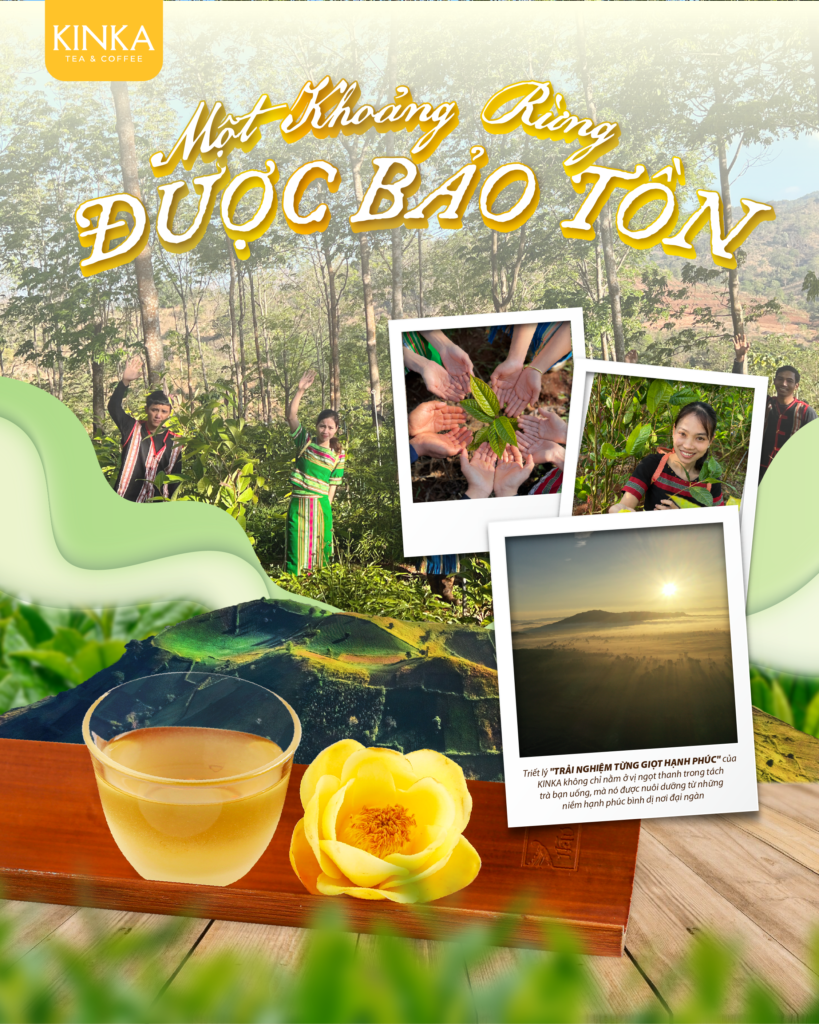
Within this context, Truong Duong Group and Tam Phuc Minh built the “Medicinal Herbs Under Forest Canopy” project at Chu Dang Ya, aimed at developing a professional, modern agricultural model geared toward organic medicinal herb products that meet quality and food-safety standards. Some of the project’s specific goals include:
- Effectively utilizing the land, labor, and ecological potential of the Chu Dang Ya area and Gia Lai province more broadly.
- Supplying high-quality medicinal herb materials and products for the Central Highlands region as well as southern and northern Vietnam markets.
- Becoming one of the first units to successfully propagate golden camellia in the Central Highlands region.
- Creating stable jobs and income for local residents, including in Ea Lu village, contributing to Gia Lai province’s socioeconomic development.
This “medicinal herbs under forest canopy” model is also the foundation for the “forest first, tea second” cultivation philosophy that Truong Duong Group and Tam Phuc Minh apply to the golden camellia growing region — developing the local economy while also helping protect and regenerate the local forest ecosystem, laying the groundwork for golden camellia products later sold under the KINKA brand.
(Learn more about this cultivation model in: “What Climate and Soil Does Gia Lai Golden Camellia Tea Grow In?“)
Frequently Asked Questions
What is the official name of Gia Lai province’s medicinal herb development initiative? Resolution No. 09-NQ/TU (July 3, 2019) from the Gia Lai Provincial Party Committee, on conserving and developing medicinal plants in the province through 2025, with direction to 2030.
Why does Vietnam still import most of its medicinal herbs despite having domestic development potential? Based on the industry figures cited, this is largely because domestic medicinal-herb production remains small-scale and unstructured, lacking good seed stock and appropriate cultivation/processing technology for each herb type — leaving domestic supply at roughly 20-25% of demand.
What makes the medicinal herb project at Chu Dang Ya different? The project is geared toward a professional, organic agricultural model that combines forest conservation (the “medicinal herbs under forest canopy” model), and Truong Duong Group and Tam Phuc Minh have become one of the first units to successfully propagate golden camellia in the Central Highlands region.
Conclusion
The golden camellia growing region at Chu Dang Ya didn’t emerge by chance — it’s tied to a clear policy context: rising domestic demand for medicinal herbs, alongside Gia Lai province’s medicinal herb development policy established through Resolution 09-NQ/TU. This is the foundation that allowed Truong Duong Group and Tam Phuc Minh to build the “Medicinal Herbs Under Forest Canopy” project and become one of the first units to successfully propagate golden camellia in the Central Highlands — developing the local economy while helping conserve a valuable medicinal herb and the region’s forest ecosystem, and laying the groundwork for golden camellia products later sold under the KINKA brand.
Continue reading: Gia Lai Golden Camellia Tea (KINKA): The Complete Guide to Benefits, Brewing & Where to Buy | Does Gia Lai Golden Camellia Tea Have OCOP Certification? | What Climate and Soil Does Gia Lai Golden Camellia Tea Grow In? | The History of the French-Era Bien Ho Tea Plantation
KINKA – Experience Every Drop of Happiness (A brand of Truong Duong Group)
- Website: truongduonggroup.com/en
- Vietnamese storefront: kinka.vn
- Hotline: +84 911 169 318
- TikTok Shop: @kinka.vn
- Shopee – KINKA Tea Shop: shopee.vn/tiemtrakinka


